
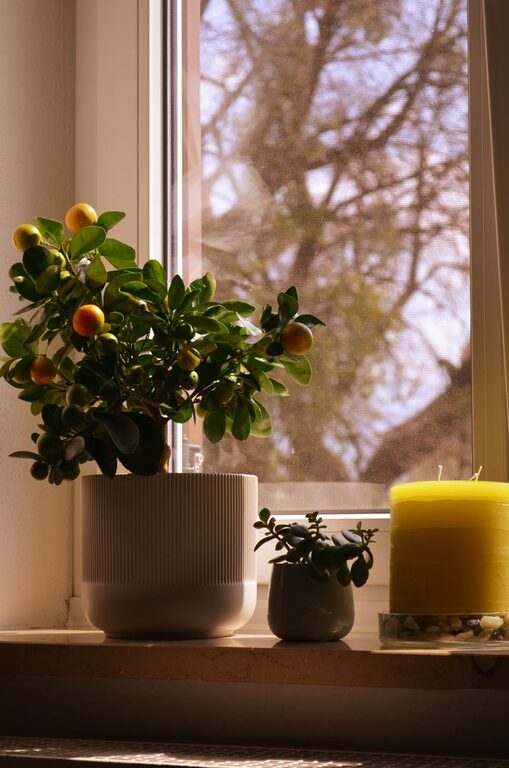
Bringing plants into your home is one of the easiest and most rewarding ways to refresh your living space. Plants not only add color and life to any room but also improve air quality and create a calming atmosphere. Whether you’re a seasoned plant parent or just starting out, adding greenery can transform your home’s look and feel.
In this guide, we’ll explore practical and stylish ways to refresh your home with plants. From selecting the right varieties to creative display ideas and basic plant care tips, you’ll be ready to turn your space into a vibrant indoor garden.
Benefits of Adding Plants to Your Home
Before diving into how to refresh your space, it’s helpful to understand why plants make such a positive impact:
– Improved Air Quality: Plants absorb carbon dioxide and release oxygen. Certain varieties also filter out toxins from the air.
– Enhanced Mood: Interacting with plants can reduce stress and promote feelings of well-being.
– Natural Decor: Plants bring texture, color, and a natural element that works well with many interior styles.
– Increased Humidity: Especially helpful in dry climates, plants release moisture into the air.
Choosing the Right Plants for Your Space
Selecting the right plants depends on your home’s light conditions, your lifestyle, and the look you want to achieve. Consider these factors:
Light Levels
Most plants fall into three categories based on their lighting needs:
– Low Light: Ideal for rooms with little natural sunlight. Examples include snake plants, pothos, and ZZ plants.
– Medium Light: Spaces with indirect sunlight or shaded windows suit plants like peace lilies and spider plants.
– Bright Light: South-facing windows or sunrooms are great for succulents, fiddle leaf figs, and aloe vera.
Maintenance and Care
Think about how much time you can dedicate to plant care:
– Low Maintenance: Succulents, snake plants, and ZZ plants tolerate some neglect.
– Moderate Care: Plants like pothos and spider plants need regular watering but are still forgiving.
– High Maintenance: Some ferns and orchids require more attention and precise humidity levels.
Size and Space
Measure the space where you want to place a plant. For small nooks, hanging plants or tabletop varieties work well. Large floor plants create a statement in open areas.
Creative Ways to Display Plants at Home
Once you’ve chosen your plants, the next step is displaying them in ways that enhance your space.
Use Stylish Pots and Planters
A pot can be a design statement. Choose pots in colors, textures, and materials that match your décor. Ceramic, terracotta, and woven baskets are popular options.
Group Plants Together
Creating clusters of different plants adds visual interest and mimics natural growth. Use varying heights and leaf shapes for a layered effect.
Hang Plants from Ceilings or Walls
Hanging planters save floor space and add charm. Macramé hangers and wall-mounted planters are excellent for trailing plants such as ivy or string of pearls.
Create a Plant Shelf or Corner
Dedicate a shelf or corner of a room to plants. Mix small pots with books or decorative objects to personalize the space.
Use Plants to Define Spaces
Large plants like fiddle leaf figs can separate areas in an open-plan home or add privacy without walls.
Basic Care Tips to Keep Plants Healthy
To keep your indoor garden thriving, follow these simple care tips:
– Watering: Most indoor plants do better with less water than too much. Check soil moisture before watering.
– Light: Rotate plants occasionally so all sides get sunlight for even growth.
– Humidity: Some plants enjoy extra humidity; consider misting leaves or placing a tray of water nearby.
– Cleaning: Dust leaves regularly to help plants breathe and photosynthesize.
– Feeding: Use a balanced, water-soluble fertilizer during the growing season (spring and summer).
Additional Tips for Plant Success Indoors
– Start Small: If you’re new to plants, begin with easy-to-care-for varieties.
– Use the Right Soil: Choose soil mixes designed for indoor plants or specific plant types like succulents.
– Repot as Needed: When roots outgrow pots, repot into a larger container to encourage healthy growth.
– Be Patient: Plants take time to adjust and grow, so don’t get discouraged if things don’t look perfect immediately.
Final Thoughts
Refreshing your home with plants is a fun and beneficial project. By choosing the right plants, displaying them thoughtfully, and giving them proper care, you can create a green sanctuary that adds beauty and life to your home. Start small, experiment, and enjoy the process of watching your indoor garden flourish.
Ready to green up your space? Grab a few plants, pots, and let your creativity grow!