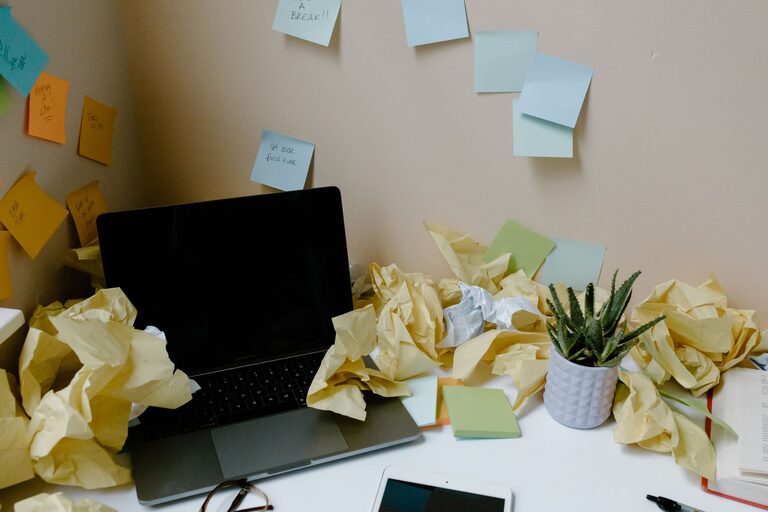
Reducing paper clutter at home is a common challenge many people face. With bills, receipts, mail, school papers, and miscellaneous documents accumulating over time, paper clutter can quickly overwhelm your living space. Fortunately, there are simple, effective ways to organize and minimize the piles of paper taking over your home. This guide will offer practical tips to help you create a tidier, more manageable environment.
Why Paper Clutter Builds Up
Paper clutter often accumulates because we receive a constant stream of documents that require attention. These might include:
– Mail such as bills, advertisements, and personal letters
– Work or school documents
– Receipts and warranties
– Forms and important personal records
Without a system to sort and manage these papers, they tend to pile on counters, desks, and drawers. The key to reducing clutter is creating habits and organizing tools that make managing paper simple and routine.
Step 1: Set Up a Designated Paper Station
Create a specific area in your home where all incoming paper is gathered initially. This could be a small table, a desk, or a wall-mounted organizer near your main entrance or kitchen. Use containers, trays, or file boxes with labels such as:
– To Sort
– To File
– To Act On
– To Recycle
Having a clear starting point for paper helps prevent it from spreading all over your home.
Step 2: Sort and Purge Regularly
Make it a habit to sort through your paper station daily or several times a week. When sorting:
– Immediately recycle junk mail and flyers you don’t need.
– File away documents that require long-term storage, such as tax records or warranties.
– Set aside any papers needing action, such as bills to pay or forms to complete.
– Shred sensitive papers before recycling to protect your personal information.
Regular purging keeps papers from piling up and reduces overwhelm.
Step 3: Go Digital When Possible
One of the most effective ways to reduce paper clutter is to transition to digital documents where feasible. Consider these steps:
– Sign up for paperless billing and statements from banks, utilities, and service providers.
– Scan important documents and save them securely in organized folders on your computer or cloud storage.
– Use apps to capture receipts and notes instead of keeping physical copies.
Always back up digital files and maintain a clear folder system to find documents easily.
Step 4: Use Efficient Storage Solutions
For papers you must keep, use smart storage to stay organized:
– Invest in a filing cabinet or a portable file box with hanging folders.
– Categorize folders by type, such as “Insurance,” “Medical,” “School,” or “Receipts.”
– Label each folder clearly to make retrieval simple.
– Use binders with sheet protectors for projects, recipes, or manuals.
Avoid keeping papers in random places, which makes clutter worse.
Step 5: Minimize Incoming Paper
Reduce the amount of paper entering your home:
– Opt out of junk mail and catalogs through services like DMAchoice or directly contacting senders.
– Subscribe to digital newsletters instead of paper ones.
– Encourage family members to forward school notices via email when possible.
Fewer incoming papers mean less sorting and storage.
Step 6: Create a Routine for Paper Maintenance
Consistency is crucial. Establish a weekly or biweekly routine to:
– Review your “To Act On” papers and complete any pending tasks.
– File documents that have accumulated.
– Purge unnecessary papers.
A regular schedule helps prevent clutter from creeping back.
Step 7: Teach Family Members to Participate
Paper clutter is easier to manage when everyone in the household plays a role. Share the system you’ve set up and encourage habits such as:
– Sorting mail immediately.
– Recycling junk mail without delay.
– Keeping personal workspaces neat.
Teamwork leads to lasting success.
Bonus Tips for Managing Paper Clutter
– Use a scanner or smartphone app to digitize paper documents quickly.
– Keep a small shredder handy for disposing of sensitive papers immediately.
– Label shelves or drawers clearly to maintain order.
– Use sticky notes or clips to mark important pages before filing.
By implementing these tips, organizing paper can become less of a chore.
—
Reducing household paper clutter doesn’t require a major lifestyle change. With a dedicated space, regular sorting, digital alternatives, and efficient storage, you can reclaim your home from piles of paper. Start with small steps today, and enjoy the calm, organized environment that follows.